Ehia ka nui o kahi laina kalana liʻiliʻi e uku ai?
Me ka hoʻonui ʻana i ka ʻike o ka mālama kaiapuni a me ka mālama ʻana i ka ikehu, ʻO ka laina hana lanahu i hopu nui aʻe. Inā makemake ka poʻe e hoʻomaka i kahi ʻoihana hana lanahu mai kahi mīkini liʻiliʻi, ʻO Sunrise Machinery Company ka mīkini hana ʻaʻole pono ʻoe e nalo.
I kēia mau lā, ua hoʻomaka ka nui aʻe o ka poʻe e ʻike i ka hiki o nā huahana lanahu. Me ka hoʻohana ʻana o Nā mea waiwai Biomass, hiki i ke kaʻina hana ke hoʻomaʻamaʻa pono i ka hana. Lawe ʻia ka lanahu ma ke ʻano he hōʻailona o ka mālama ʻana i ke kaiapuni a me ka hoʻohana ʻana i ka ikehu, no laila ke piʻi nei ka noi no ka lanahu biomass. ʻO ia ka manawa kūpono e hoʻomaka ai i kāu ʻoihana hana lanahu. ʻO ka hoʻohana ākea o ka biomass charcoal hiki ke hōʻoia i ka holomua o ka hana lanahu.
What Machines are Necessary in the Charcoal Production?
To form a set of hookah charcoal production lines, there are several necessary machines that the customers should not ignore.
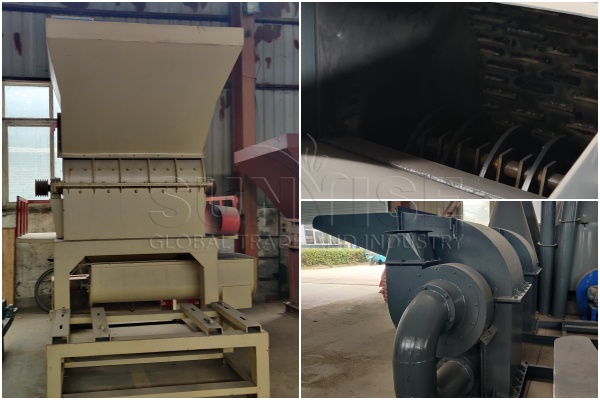
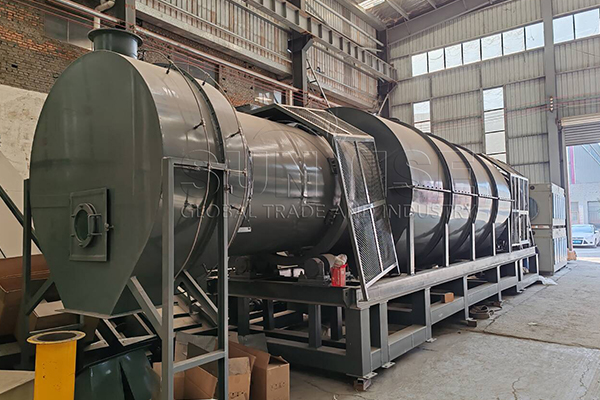
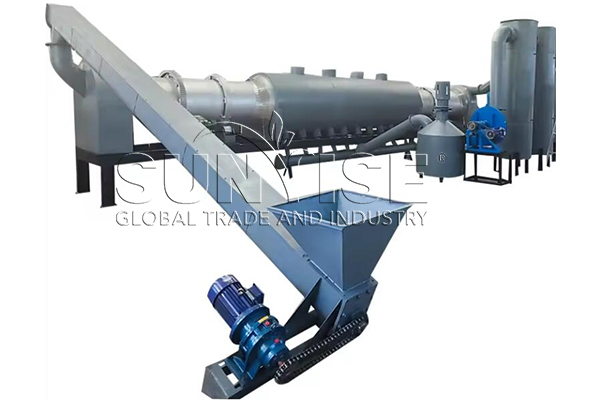
The first machine that the customer should pay attention to is the crushing machine. In most circumstances, the raw materials of the charcoal are biomass matters. Due to the different geographical conditions, the raw materials can be varied. 'Ōlelo mīkini wili can break the biomass down to ease the following steps. He aha hou aʻe, 'ōlelo drying machine is an important auxiliary equipment. The moisture in the materials may slow the working efficiency down and cause damage to the carbonizing machine, so the drying machine is also quite important in the whole carbonization process.
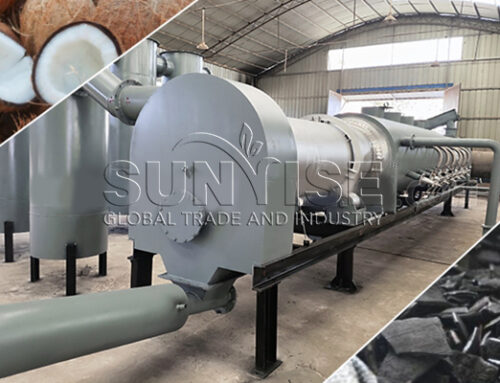
Ke kamaʻilio ka poʻe e pili ana i ka laina hana lanahu, hoʻokahi ʻāpana o nā mea hana e poina ʻole ai nā kānaka a pau ʻo ia ka ʻO Fesnace Fesnace. Hiki i ka umu carbonizing ke hāʻawi i kahi kūpono no ka hoʻololi ʻana o nā mea maka. Ma kahi kiʻekiʻe-mehana a me ka oxygen-deficiency wahi, Hiki i nā mea biomass ke lawe mai i ka hana ʻoi aku ka maikaʻi.
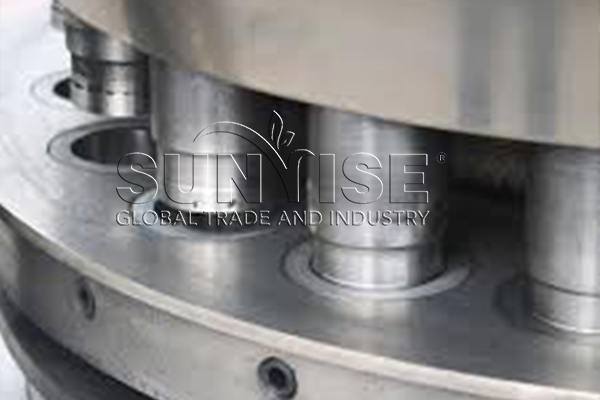
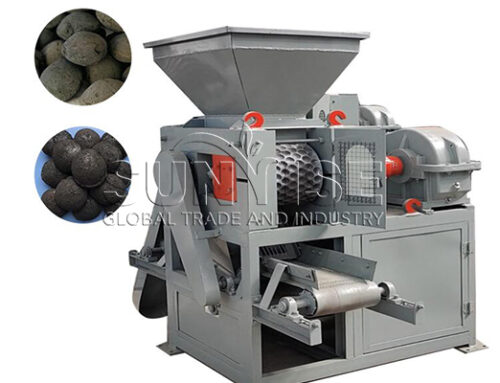
Ma ka hopena o ka laina hana lanahu, hiki i ka mea kūʻai ke koho inā e hoʻolako i ka mīkini wili a me ka mīkini hana a i ʻole. 'Ōlelo Ka Minuling Po hiki ke wili i ka nui o ka lanahu i ka pauka lanahu, ʻoi aku ka maʻalahi o ke kaomi. 'Ōlelo mīkini hana Hoʻohana maʻamau i ka ʻōnaehana hydraulic e hana i ka lanahu. Hiki i ka mea kūʻai ke hoʻopilikino i nā ʻano o nā huahana lanahu ma ke kauoha ʻana i nā ʻano like ʻole. The customer has a wide range to choose the suitable machine line set.
What is the Budget of the Small Scale Charcoal Production Line?
For a small-scale charcoal production line, the budget can be lower than the larger one. Due to the price of the machine being affected by the capacity, the small output machine line is more suitable for beginners in this industry. For example, The double shaft machine is a good choice for the crushing machine. The strong tearing power can deal with most kinds of biomass materials. For this reason, the customer can decide the materials according to the conditions.
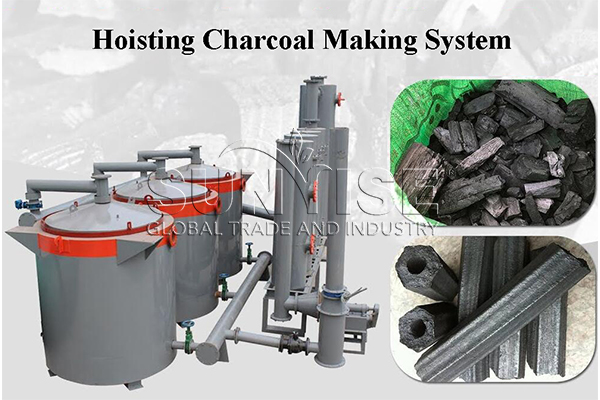
Makmally, the price range of the double shaft machine is between $2,000-$5,000. As for the industrial dryer machine, $1,000-$3,000 is an average offer for the market. The price range of the carbonization furnace can be extremely wide due to the different capacities. Hoisting carbonization furnace is the perfect choice for the small scale charcoal production line. The price is between $5,000-$10,000. No laila, the budget of the small scale production line can be set at $10,000-$30,000. The price is only for reference. Different details of the charcoal machine line can cause different prices. It is important to find a credible machine manufacturer.
ʻOihana hui mīkini is a machine supplier with years of experience providing charcoal-making machines for customers. The good reputation among the customers can ensure the quality of the machines. The company always puts the user’s experience in the first place. If you are interested in our charcoal production machines and lines, Eʻoluʻolu eʻoluʻolu e hoʻokaʻaʻike mai iā mākou. Hiki i kā mākou limahana lawelawe ke hāʻawi iā ʻoe me ka ʻōlelo aʻoaʻo ʻoihana a me ka lawelawe mālama.