
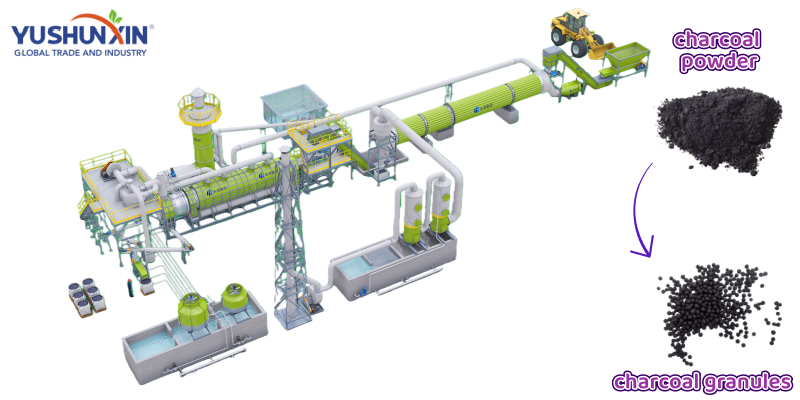
برای پاسخگویی به تقاضای رو به رشد سریع برای بیوچار ممتاز در بازار اتحادیه اروپا, تولیدکنندگان باید سیستمی بسازند که کیفیت پایدار را ارائه دهد, گرانول های قوی, و عملکرد کربن آماده CDR. از این رو, انتخاب تکنولوژی پیرولیز مناسب, واحدهای پس پردازش, و تجهیزات دانه بندی ضروری می شود. با خط خوش طراحی, می توانید به کربن ثابت بالا دست یابید, خاکستر کم, و ساختار یکنواخت و همچنین ایجاد محصولات دانه بندی شده با ارزش افزوده و کودهای مبتنی بر بیوچار. این رویکرد یکپارچه از کشاورزی حمایت می کند, کشاورزی ارگانیک, و فرصت های حذف کربن طولانی مدت.
راه حل های اصلی برای تولید بیوچار چیست؟?
تولید بیوچار با کیفیت بالا برای برنامه های کشاورزی اتحادیه اروپا و CDR نیاز به یک سیستم کامل دارد که شامل یک خط پیرولیز قابل اعتماد باشد., یک فرآیند دانه بندی کارآمد, و فرمولاسیون کودهای پیشرفته مبتنی بر بیوچار. هر مرحله نقش مهمی در تعیین کیفیت محصول نهایی دارد, ارزش بازار, و آمادگی صدور گواهینامه.
خط پیرولیز برای بیوچار - ساختار پایدار و خاکستر کم
اگر هدف شما تولید بیوچار درجه یک با کربن ثابت بالا است, محتوای خاکستر کم, و کیفیت ذرات همگن, یک سیستم پیرولیز پیوسته پیشرفته بهترین راه حل است. در طی پیرولیز مداوم, زیست توده تحت دماهای دقیق کنترل شده و زمان های اقامت گرم می شود, تضمین کربنیزاسیون یکنواخت. این منجر به بیوچار با ساختار پایدار می شود, کاهش ناخالصی ها, و عملکرد قوی برای بهبود خاک. یک خط کامل شامل تغذیه است, راکتور پیرولیز, خنک کننده, تخلیه, و تصفیه گازهای گلخانه ای. چنین سیستم هایی برای بازارهای کشاورزی اتحادیه اروپا ایده آل هستند, کشاورزی ارگانیک, باغبانی, و تولید واجد شرایط CDR زیرا آنها سازگار هستند, کیفیت قابل تایید.
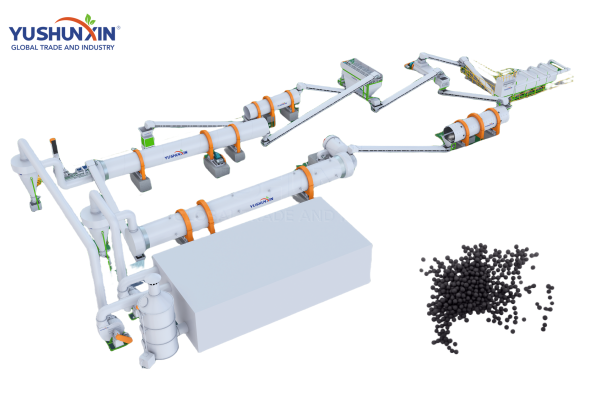
خط دانه بندی بیوچار - قوی & گلوله های یکنواخت
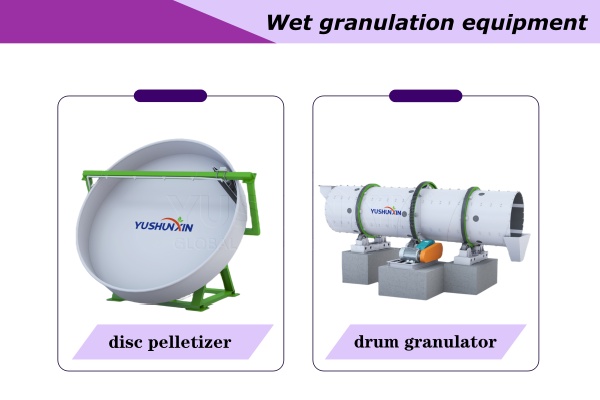
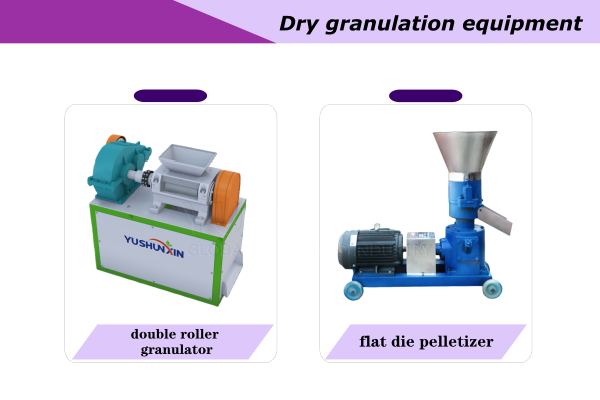
هنگامی که می خواهید پودر بیوچار شل را به محصولات با ارزش بالاتر تبدیل کنید, فرآیند دانه بندی ضروری است. دانه بندی بیوچار را به گلوله های گرد با استحکام عالی تبدیل می کند, یکنواختی, و کاربرد آسان در تجهیزات کشاورزی. تحت نیروی چرخشی یا اکستروژن, مواد بیوچار فرآوری شده گرانول های متراکم و بادوام را با بهبود جریان پذیری و پایداری ذخیره سازی تشکیل می دهند.. این نوع پلت ممتاز برای کشاورزی گلخانه ای ترجیح داده می شود, تاکستان ها, محصولات توت, و بهبود دهنده های خاک با ارزش بالا. برای مرحله دانه بندی, گندله سازهای دیسکی یا دانه بندی درام دوار بسته به رطوبت گزینه های رایجی هستند, فرمولاسیون, و ظرفیت مورد نیاز.
فرمولاسیون کود مبتنی بر بیوچار - ارزش بالاتر و یکپارچگی CDR
اگر روی به حداکثر رساندن عملکرد محصول و ارزش بازار تمرکز کنید, ایجاد مخلوط کودهای مبتنی بر بیوچار یک انتخاب عالی است. این فرمولاسیون بیوچار را با کمپوست ترکیب می کند, مواد معدنی (حدود, Mg, و), یا افزودنی های ارگانیک برای افزایش احتباس مواد مغذی, فعالیت میکروبی, و ساختار خاک. مواد مخلوط شده از طریق اختلاط و دانه بندی اختیاری پردازش می شود تا کودهای درجه یک برای انواع توت ها ایجاد شود., تاکستان ها, سبزیجات, و محصولات گلخانه ای. زیرا biochar به عنوان یک مخزن کربن طولانی مدت عمل می کند, این محصولات همچنین می توانند برای گواهینامه CDR تحت استانداردهایی مانند EBC-CDR و Puro.Earth واجد شرایط باشند.. این رویکرد یکپارچه جریان های درآمدی دوگانه را ارائه می دهد: فروش کود و تولید اعتبار کربن از 1 تن بیوچار معادل 2.0-2.4 تن CO2 حذف شد.
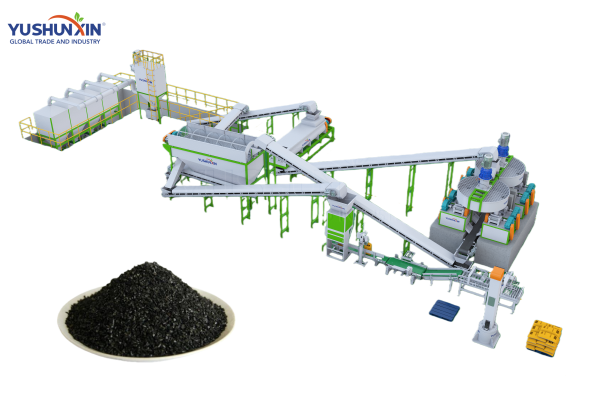
چه خط پیرولیز برای تولید بیوچار با کیفیت بالا مناسب است?
تولید بیوچار نیاز به یک سیستم پیرولیز دارد که کربنیزاسیون ثابت را ارائه می دهد, خروجی پایدار, و کیفیت قابل اعتماد برای برنامه های کشاورزی اتحادیه اروپا و CDR. از این رو, انتخاب یک خط پیرولیز پیوسته با کنترل دقیق دما و کارآمد پس پردازش بسیار مهم است. این ترکیب کربن ثابت بالا را تضمین می کند, محتوای خاکستر کم, و ساختار ذرات یکنواخت, که برای صدور گواهینامه و دانه بندی پایین دستی ضروری هستند. یک سیستم خوب طراحی شده همچنین از پایداری عملیاتی طولانی مدت پشتیبانی می کند و حفظ کربن را به حداکثر می رساند.
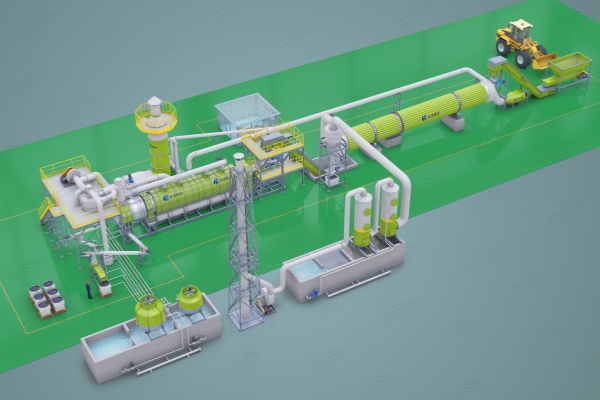
چه نوع طرح کسب و کار ساخت زغال چوب را می توانید شروع کنید?
Starting a charcoal-making business gives you diverse options because different biomass materials can be carbonized into high-value charcoal products. Below are four profitable charcoal production lines you can consider.
چگونه سیستم های دانه بندی مختلف گلوله های بیوچار قوی و یکنواخت ایجاد می کنند؟?
Producing biochar pellets requires choosing the right granulation system based on material moisture, production scale, and target applications. Wet granulation and dry granulation each offer unique advantages, and understanding their differences helps you build a stable, high-output production line. When matched with proper moisture control, اختلاط, and screening, both systems can create durable, uniform pellets suitable for EU agriculture, soil improvement, and downstream fertilizer blending.
نحوه ساخت کود مبتنی بر بیوچار?
Biochar-based fertilizers offer a high-value opportunity for producers who want to serve EU organic farming, greenhouse cultivation, and specialty crop markets. By combining biochar with nutrients, compost, or organic additives, manufacturers can create powerful soil improvers that enhance nutrient retention, boost microbial activity, and support long-term carbon sequestration. With a well-designed production process, these blends achieve stable quality, strong granule strength, and consistent nutrient delivery for berries, تاکستان ها, سبزیجات, and high-performance greenhouse crops.
انواع کودهای مبتنی بر بیوچار
Producers can develop several high-value biochar fertilizer formulations depending on crop needs and soil conditions. بیوچار + compost blends improve microbial activity and organic matter levels, making them ideal for horticulture and vegetable production. بیوچار + مواد معدنی (حدود, Mg, و) strengthens soil structure and enhances plant resistance to stress, commonly used in vineyards and berry crops. Biochar with organic additives allows customized nutrient profiles for greenhouse agriculture and specialty crops. Each blend leverages biochar’s high porosity to enhance nutrient retention and long-term soil conditioning.
فرآیند تولید کود مبتنی بر بیوچار
When you plan to produce carbon-based fertilizer, it is essential to understand the core processes involved in biochar fertilizer manufacturing. Generally, when you use biochar and compost as raw materials, the production process includes three major steps:
خرد کردن بیوچار و کمپوست به پودر خوب
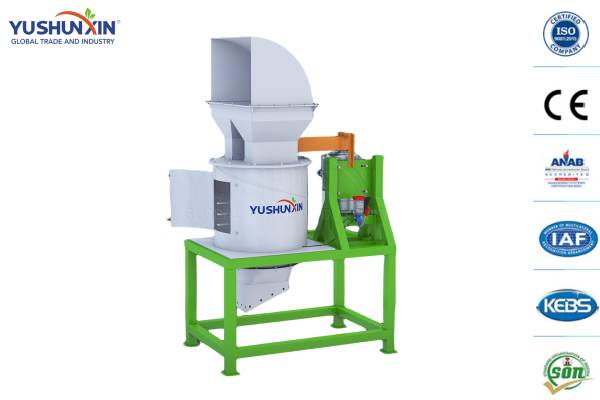
To produce high-quality biochar fertilizer, you must first crush charcoal blocks, biochar chips, and compost clumps into fine powder. Finer particle size improves the nutrient absorption of powdery fertilizers and enhances pellet formation for granular products. A vertical fertilizer crusher is suitable for handling both biochar and compost, ensuring uniform particle size and preparing materials for efficient mixing and granulation.
مخلوط کردن بیوچار و کمپوست به طور یکنواخت برای تعادل مواد مغذی
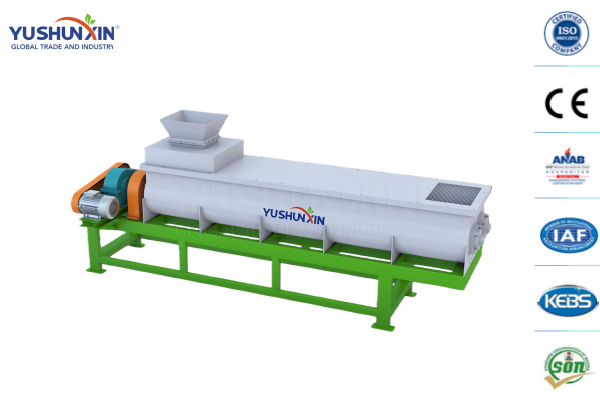
طرف دیگر, to achieve consistent nutrient distribution in the final fertilizer, the mixed materials must be blended thoroughly. A fertilizer mixer ensures even combination of biochar powder with compost. Depending on your capacity and efficiency needs, you can choose from several mixers, including large-scale horizontal mixers, high-speed double-shaft blenders, or low-cost disc mixers. These systems ensure uniformity and stability for both small-scale and industrial productions.
تبدیل ترکیب بیوچار-کمپوست به گرانول های کود آلی
If you want to improve storage stability, transport efficiency, and controlled-release performance, granulating the biochar–compost mixture is a highly effective step. You can choose a pan pelletizer for small-scale biochar fertilizer production, a rotary drum granulator for large-scale carbon-based fertilizer manufacturing, or a double roller granulator for low-cost dry granulation without adding water. Each machine helps you produce strong, uniform organic fertilizer granules with higher commercial value.
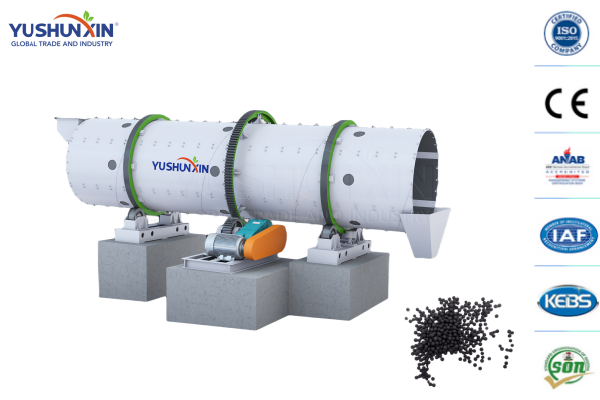
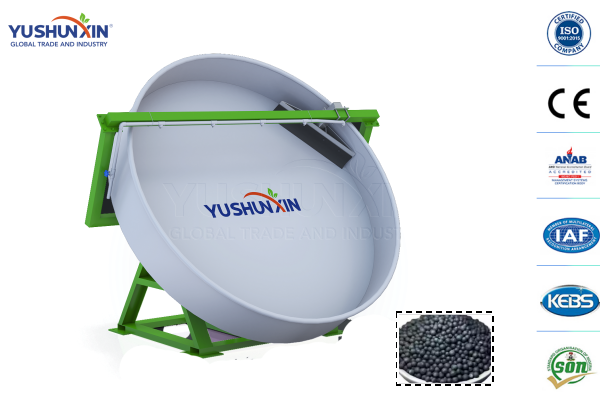
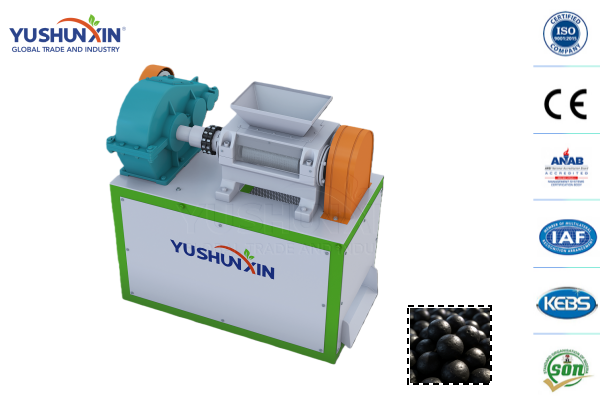
بیوچار + CDR: یک مدل با درآمد دوگانه برای پروژههای ROI بالا
High-quality biochar stores carbon in a stable form for hundreds of years, and therefore becomes one of the most reliable carbon-removal solutions for agriculture and climate markets. Because each ton of biochar permanently removes 2.0–2.4 tons of CO₂, scaling production allows investors to generate both climate impact and stable commercial value. This long-term carbon stability also makes biochar eligible for the most recognized CDR certification systems worldwide.
When your biochar meets EBC-CDR, Puro.Earth, or ICROA-aligned methodologies, it qualifies for high-value carbon credit issuance. These certification systems verify carbon permanence, production process quality, and sustainable sourcing. در نتیجه, certified producers can access premium markets where carbon credits trade at €200–€400 per ton of CO₂, which significantly increases project profitability and ensures predictable returns.
By combining a continuous pyrolysis line with controlled post-processing and granulation, producers maximize carbon retention and achieve consistent, certifiable product quality. This integration enables dual revenue streams: biochar sales for agriculture and carbon credit sales for CDR programs. Because every certified ton of biochar can generate €400–€960 in carbon credit income alone, investors benefit from accelerated ROI and long-term financial stability.
برآورد درآمد CDR برای تولید بیوچار
| ظرفیت | Biochar Output (t/day) | CO₂ Removal (t/day) | Carbon Credit Price (€/ tCO₂) | Daily CDR Revenue (€) | Annual CDR Revenue (300 days) |
| 500 کیلوگرم در ساعت | 12 t/day | 24–28.8 t/day | €200–€400 | €4,800–€11,520 | €1.44M–€3.45M / year |
| 1000 کیلوگرم در ساعت | 24 t/day | 48–57.6 t/day | €200–€400 | €9,600–€23,040 | €2.88M–€6.91M / year |
Notes:
- Calculation based on: 1 ton biochar = 2.0–2.4 tons CO₂ removed
- Revenue only includes carbon credits; biochar sales are additional income
- Annual revenue calculated for 300 operating days
If you have any other want to know about biochar production solution for CDR integration, welcome to contact us now. Moreover, نیز وجود دارد bamboo charcoal making plan, wood pellet machine, rice husk pellet making solution, etc here for your choice.


